Thermal Insulation Products
Dual insulation + flame-retardant performance to protect equipment in high-temperature conditions.
Focused on high-temperature protection, serving leading brands in new energy and consumer electronics.
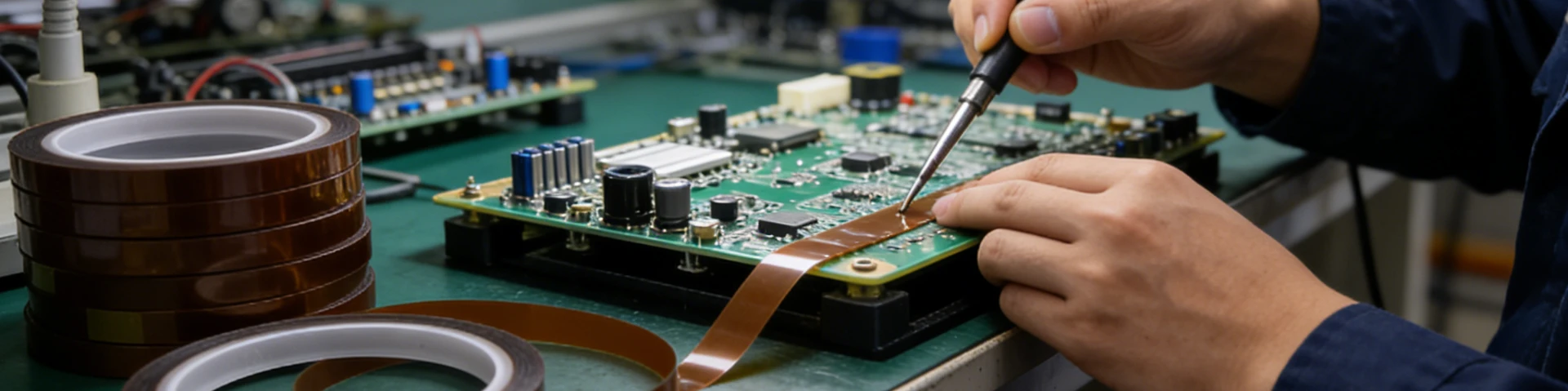
12+ years of die-cutting expertise—benchmark products for high-temperature protection
Patented processes for high-efficiency insulation; full-size customization + dual certifications to ensure safety at elevated temperatures.




Die-Cut Thermal Insulation Components
Flexible combinations of materials and structures—from end components to system-level protection.
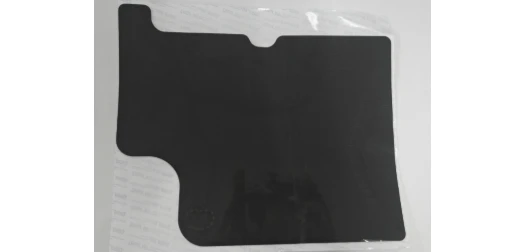
Die-Cut Thermal Insulation Components
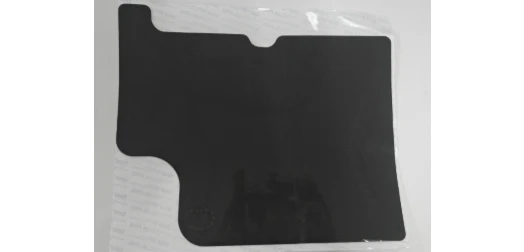
Die-Cut Thermal Insulation Components
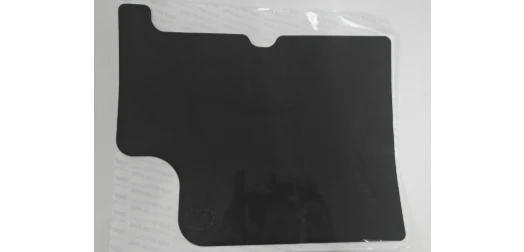
Die-Cut Thermal Insulation Components
Where Our Products Are Mainly Used
Engineered for diverse high-temperature scenarios—systematically addressing heat transfer and fire-safety risks
 Consumer Electronics
 Traction Batteries
 New Energy Vehicles
 Energy Storage
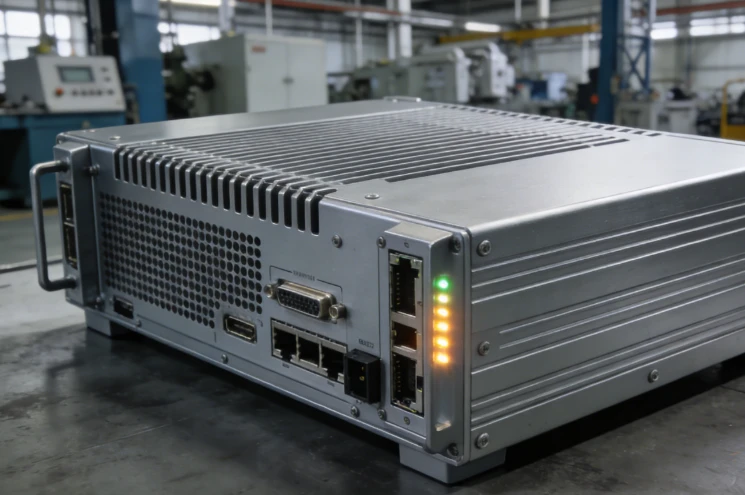
 Industrial Control
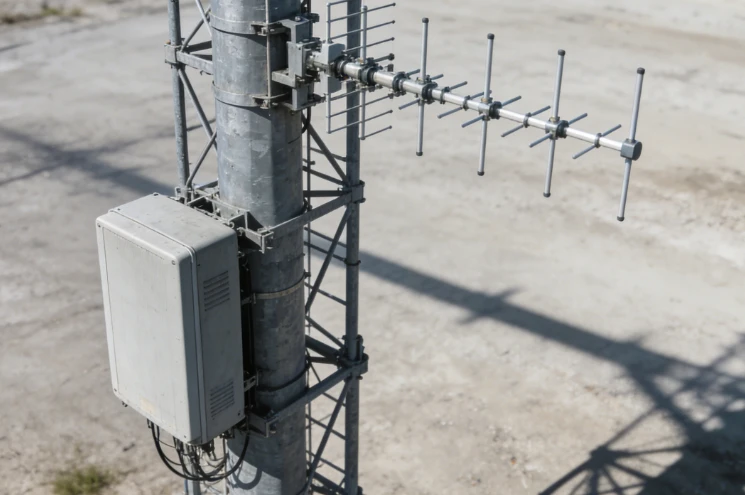
 Telecom Equipment
 Telecom Equipment
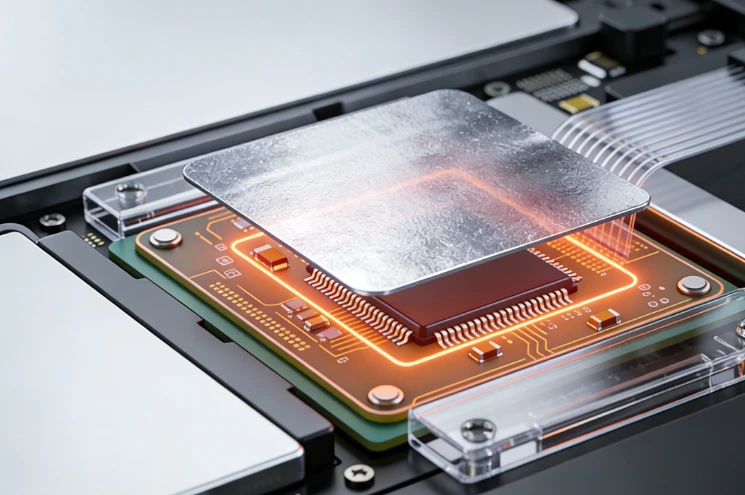
Consumer Electronics
Hot-zone insulation, protection around chips
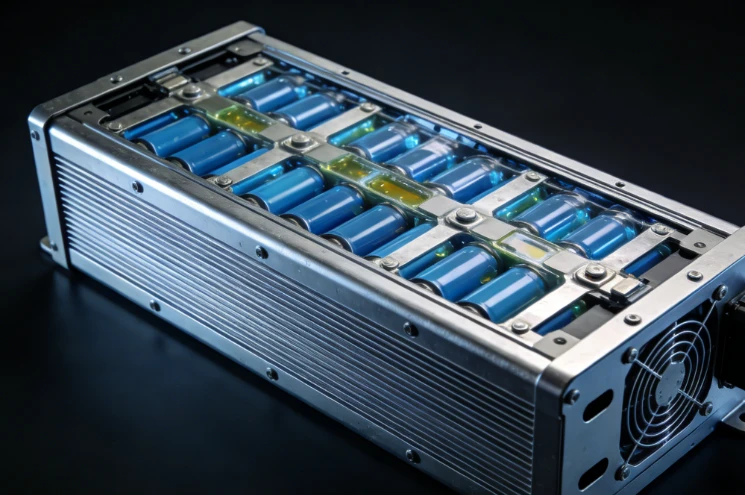
Traction Batteries
In-pack insulation, inter-module barriers, anti-explosion insulation
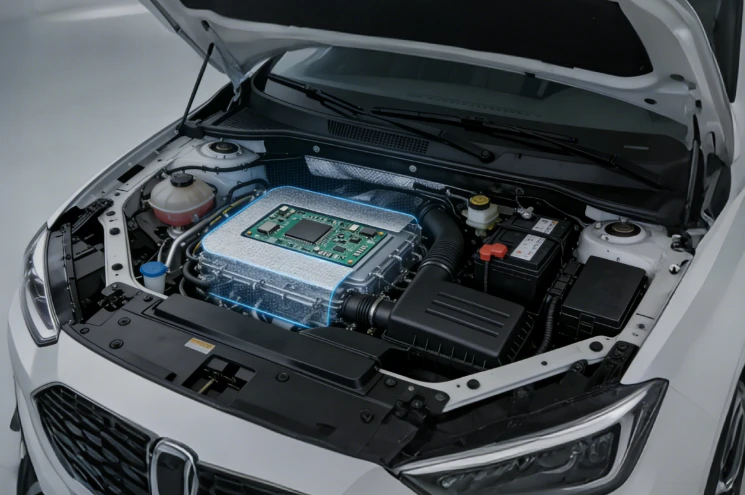
New Energy Vehicles
In-vehicle electronics and engine bay thermal barriers
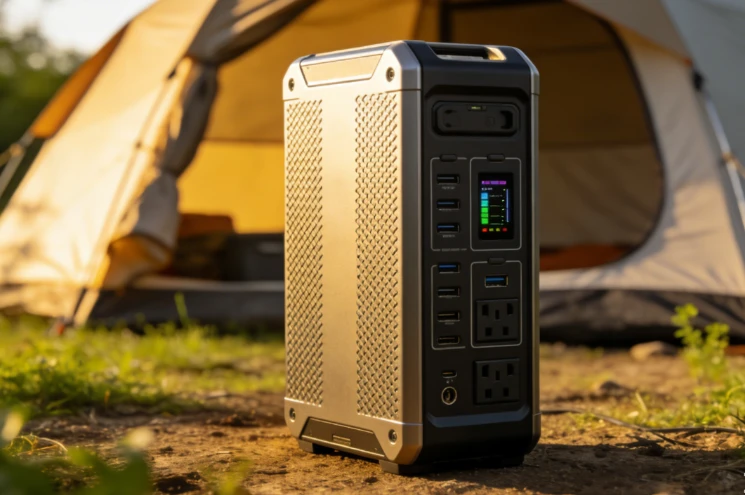
Energy Storage
Enclosure insulation & moisture protection, hot-part shielding
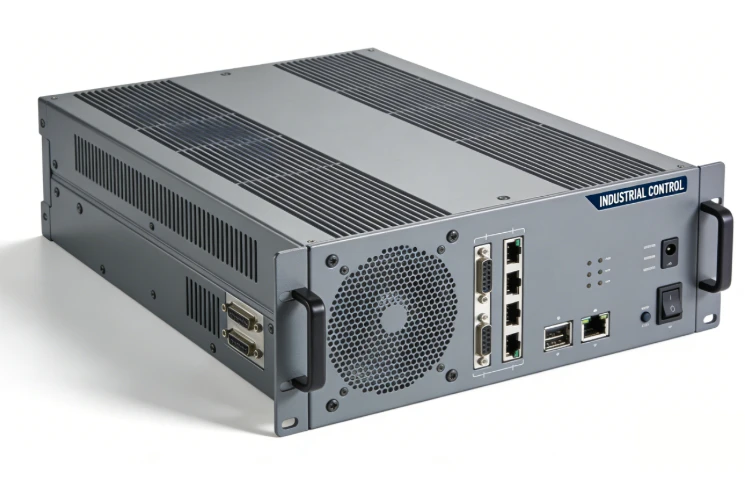
Industrial Control
Insulation for high-temperature parts, thermal isolation around instruments
Telecom Equipment
Base-station hot-zone protection, module insulation
Medical Devices
Hot-zone isolation and protective assemblies
FAQ — Best Material for Heat Products


What temperatures can the products withstand? What is the flame rating?

Continuous up to 160 °C, short-term up to 200 °C. UL 94 V-0 flame rating—meeting stringent standards for automotive electronics and energy-storage gear. Third-party flame tests available.
How is insulation performance quantified? Can you provide data?
Thermal conductivity as low as 0.03 W/(m·K) with ≥80% temperature attenuation across the barrier. Every order can include performance reports (λ, attenuation, etc.); third-party re-tests supported.
What sizes and structures can you customize?
Irregular, multi-layer composite, and curved builds supported—from Ø0.5 mm micro parts to 1.8 × 1.2 m large panels, with ±0.03 mm precision.
Any traction-battery references?
Yes—solutions delivered for BYD, Naxin, etc., to mitigate cell heat propagation inside packs; IATF 16949 compliant and field-proven.
What about sampling and mass-production timelines? Any MOQ?
1–3 days for samples; 7–20 days for mass production. No mandatory MOQ—flatbed lines for small pilots; rotary lines for high-volume efficiency.
